
Madness and Reality
The SandmanTraces the theme of madness and the blurring of reality and delusion.
increasing Bearing strength in each event
 decreasing
Bearing strength in each eventdecreasingNathaniel's childhood delusions
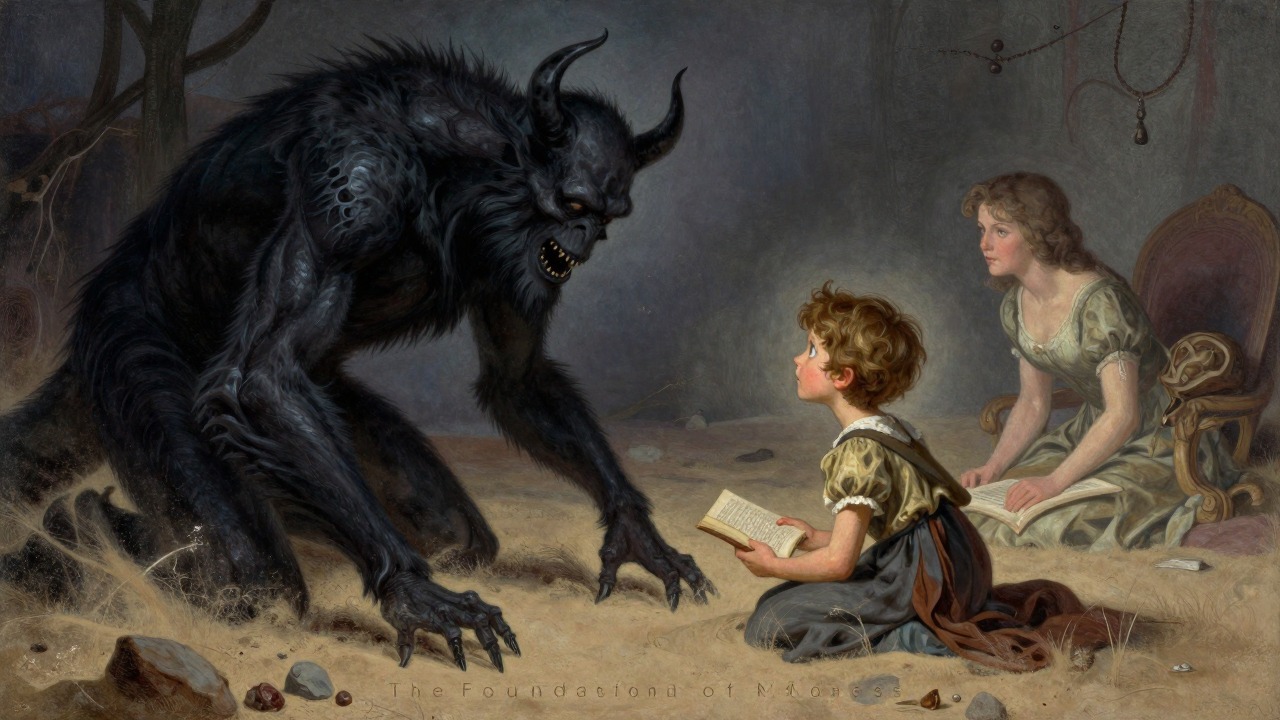
The Foundation of Madness
The Sandman Fantasy
Nathaniel believed in the Sandman despite his mother's denial. He created a vivid image of the monster.
The Identification
He identified Coppelius as the Sandman. His fantasy merged with reality.
The Seeds
His childhood experiences planted the seeds of his later madness.
The onset of brooding
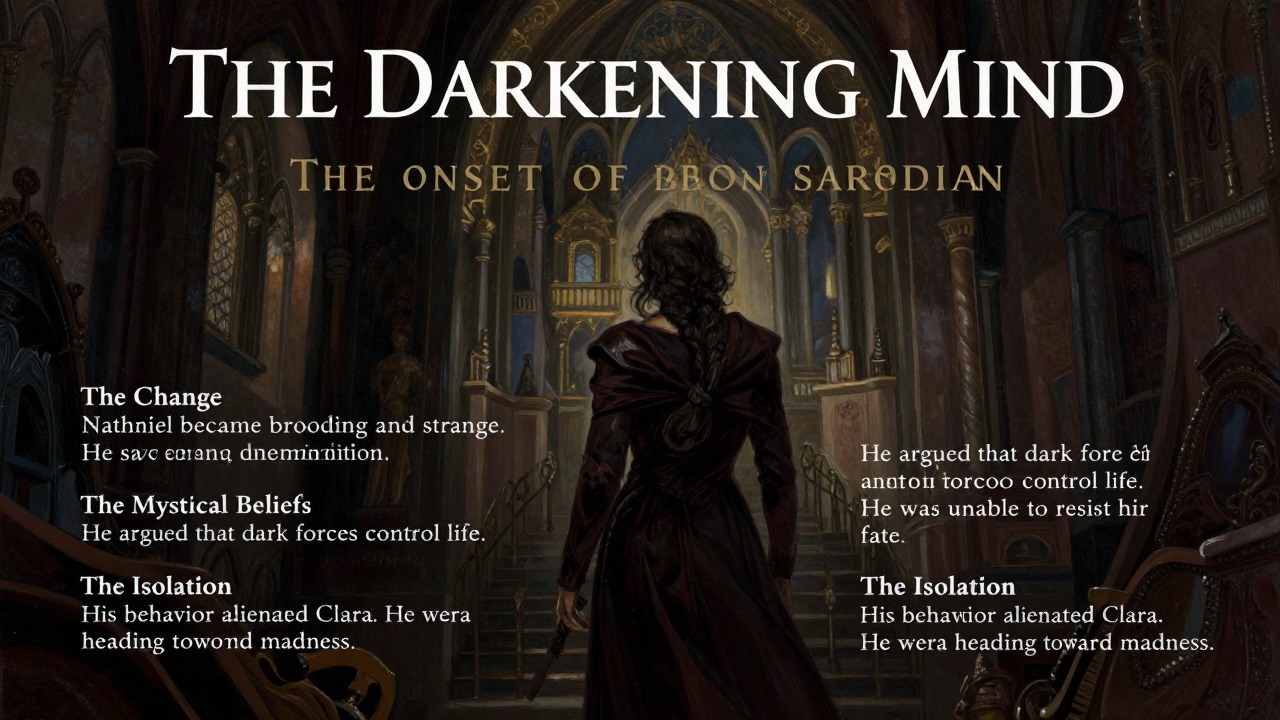
The Darkening Mind
The Change
Nathaniel became brooding and strange. He saw everything as dream and premonition.
The Mystical Beliefs
He argued that dark forces control life. He was unable to resist his fate.
The Isolation
His behavior alienated Clara. He was heading toward madness.
The complete breakdown
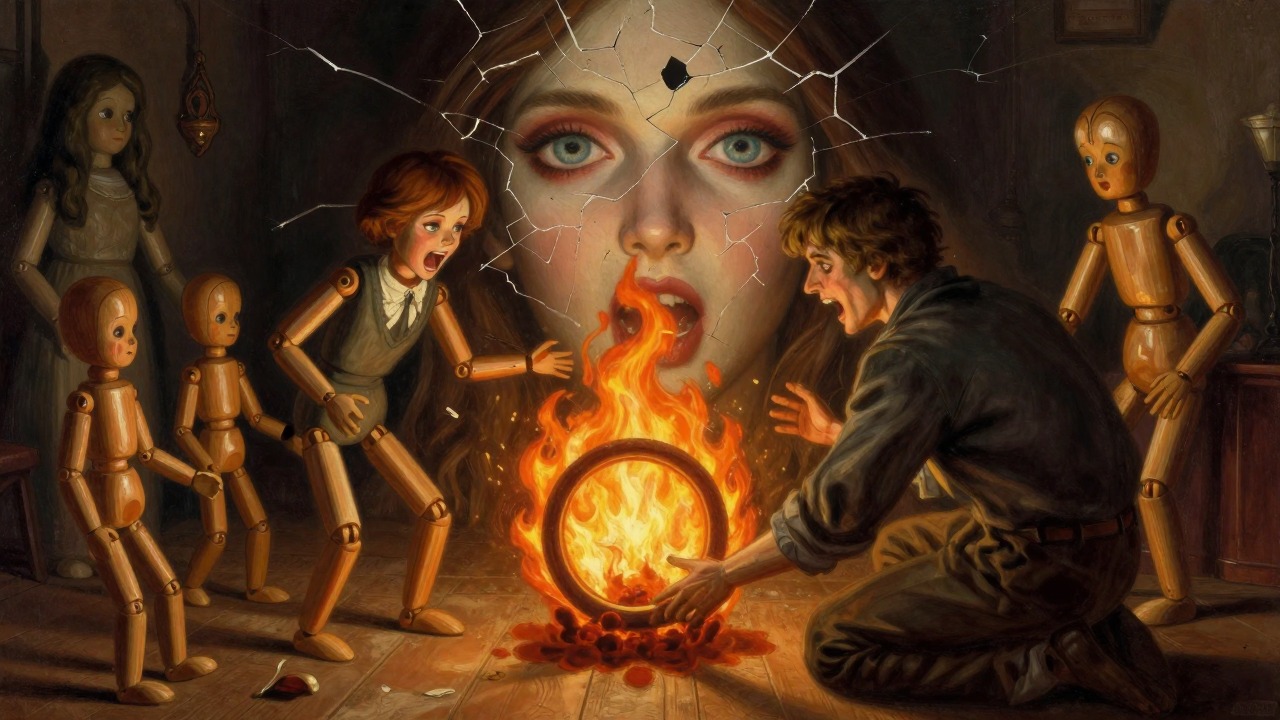
The Madness Takes Hold
The Trigger
The sight of Olympia's eyes shattered Nathaniel's reality. He could not accept the truth.
The Raving
He screamed about wooden dolls and rings of fire. He attacked Spalanzani.
The Incarceration
He was taken to the madhouse. His madness was now public and official.
The temporary recovery
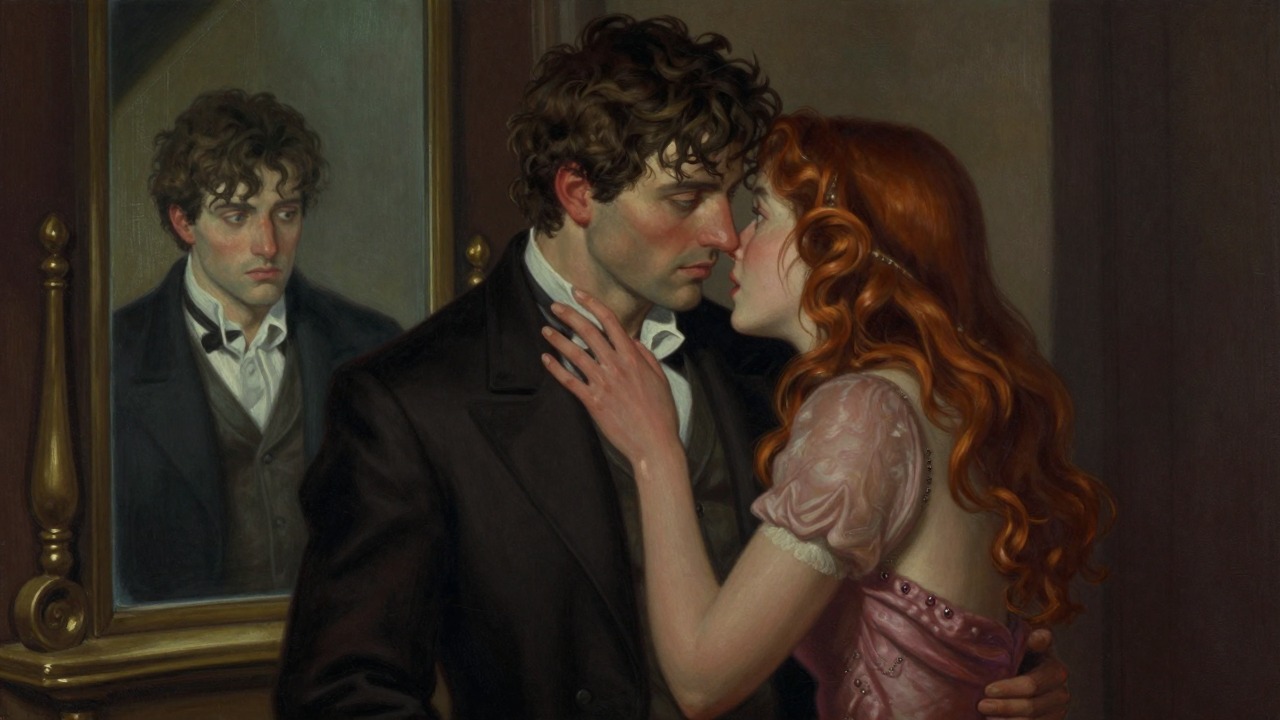
The False Sanity
The Apparent Cure
Nathaniel seemed rational and gentle. He recognized Clara's love.
The Vulnerability
But the trauma was still present. The looking-glass was still in his pocket.
The Return of Madness
A small trigger was enough to cause a relapse. The line between sanity and madness was thin.
The final madness and death
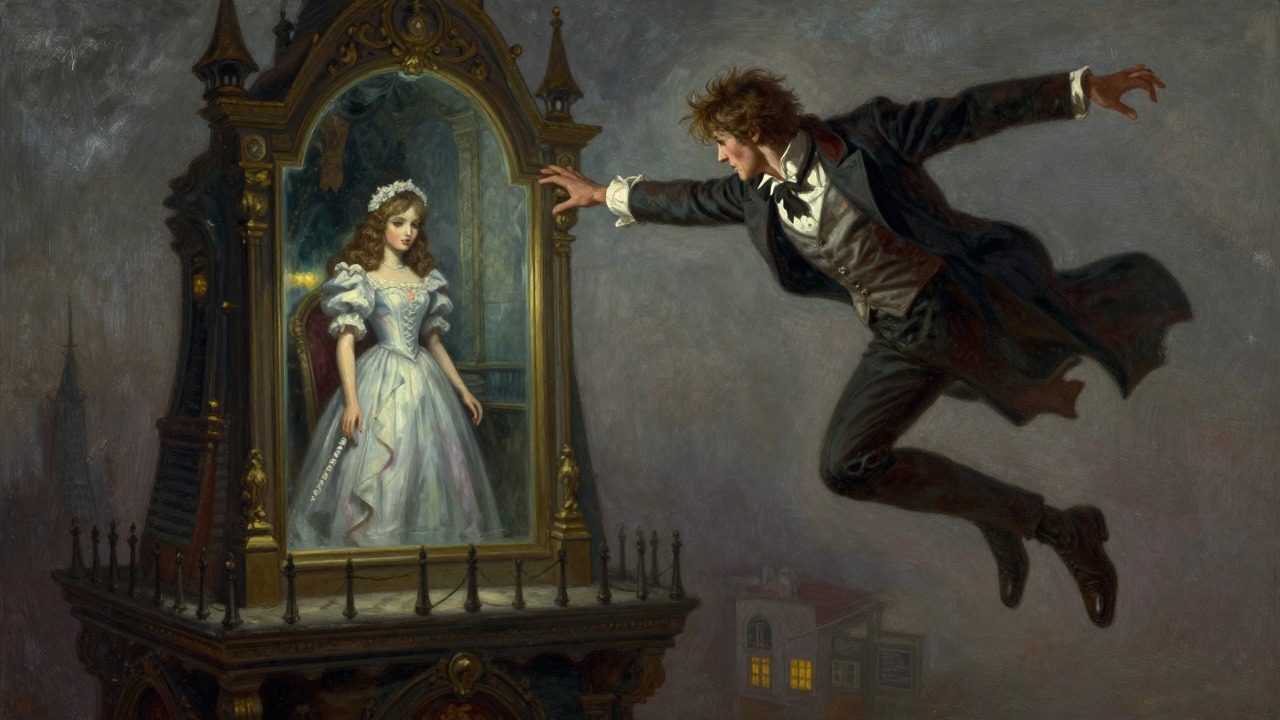
The Tragic End
The Relapse
On the tower, the looking-glass triggered Nathaniel's madness again. He saw Clara as a doll.
The Attack and Suicide
He tried to kill Clara, then jumped to his death. His madness ended in tragedy.
The Theme
The story suggests that madness is an inescapable force once it takes hold. Reality cannot be regained.
Childhood
After the return of Coppelius
The revelation of Olympia
After release from the madhouse
The tower incident
